ABE1959
MilliporeSigma™ RAD9A, Rabbit, Unlabeled, Polyclonal,
Manufacturer: MilliporeSigma™
Select a Size
| Pack Size | SKU | Availability | Price |
|---|---|---|---|
| Each of 1 | ABE1959-Each-of-1 | In Stock | ₹ 40,292.08 |
ABE1959 - Each of 1
In Stock
Quantity
1
Base Price: ₹ 40,292.08
GST (18%): ₹ 7,252.574
Total Price: ₹ 47,544.654
Antigen
RAD9A
Classification
Polyclonal
Conjugate
Unconjugated
Gene
Rad9a, Rad9
Host Species
Rabbit
Purification Method
Protein A Purified
Regulatory Status
RUO
Primary or Secondary
Primary
Test Specificity
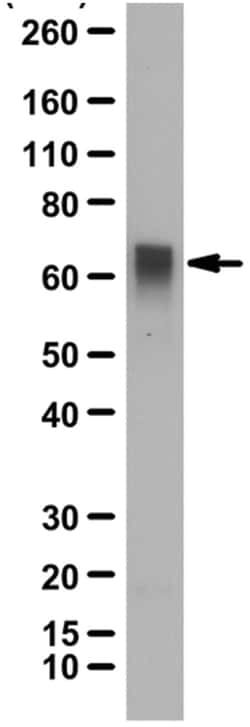
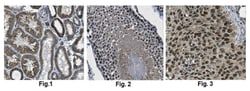
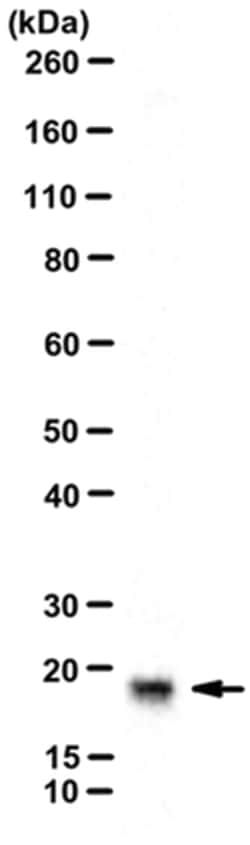
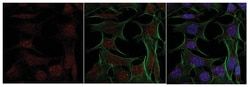
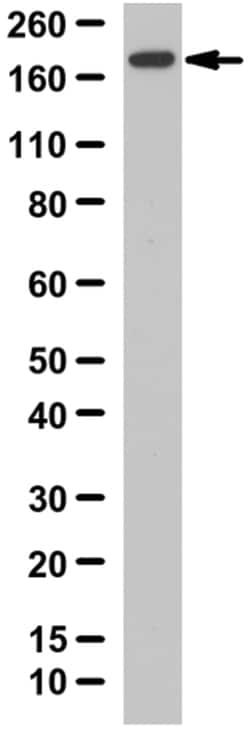
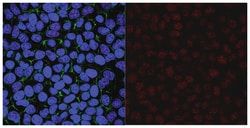
This rabbit polyclonal antibody detected nuclear RAD9A immunoreactivity in human and mouse tissue sections.
Content And Storage
Stable for 1 year at 2°-8°C from date of receipt..
Applications
Immunohistochemistry (Paraffin)
Concentration
Please refer to lot specific datasheet.
Formulation
Purified rabbit polyclonal antibody in buffer containing 0.1M Tris-Glycine (pH 7.4), 150mM NaCl with 0.05% Sodium Azide.
Gene Accession No.
Q9Z0F6
Immunogen
GST-tagged recombinant full-length mouse RAD9A.
Quantity
100 μg
Research Discipline
Epigenetics & Nuclear Function
Gene ID (Entrez)
NP_035367
Target Species
Human
Form
Purified
Related Products

Description
- Cell cycle checkpoint control protein RAD9A (EC 3.1.11.2; UniProt Q9Z0F6; also known as DNA repair exonuclease rad9 homolog A, mRAD9, Rad9-like protein) is encoded by the Rad9a (also known as Rad9) gene (Gene ID 19367) in murine species
- RAD9A is a component of the trimeric PCNA-like 9-1-1 complex (Rad9A, Rad1, and Hus1) and plays an important role in maintaining genomic integrity
- RAD9A participates in both ATR and ATM signaling pathways-mediated cell cycle checkpoints in mitosis
- Evidences indicate that RAD9A participates in DNA damage repair by interacting with proteins involved in base excision repair, mismatch repair and homologous recombination repair
- RAD9A is shown to colocalize with γH2AX following DNA damage induction in an ATM-independent manner, and RAD9A inactivation delays the appearance of ionizing radiation-induced γH2AX foci
- Rad9a-knockout causes embryonic lethality in mice due to increased apoptotic activity and reduced cellular proliferation, while mice heterozygous for Rad9a are prone to spontaneous and radiation-induced cataractogenesis
- In addition, conditional knockout in keratinocytes causes enhanced susceptibility to carcinogen-induced skin tumors, while conditional Rad9a deletion in undifferentiated spermatogonia results in drastic effects on meiosis.