MABE1033MI
MilliporeSigma™ Mouse anti-SMARCB1, Clone: 2C2,
Manufacturer: MilliporeSigma™
Select a Size
| Pack Size | SKU | Availability | Price |
|---|---|---|---|
| Each of 1 | MABE1033MI-Each-of-1 | In Stock | ₹ 39,160.00 |
MABE1033MI - Each of 1
In Stock
Quantity
1
Base Price: ₹ 39,160.00
GST (18%): ₹ 7,048.80
Total Price: ₹ 46,208.80
Antigen
SMARCB1
Classification
Monoclonal
Formulation
Purified mouse monoclonal IgG2aκ in buffer containing 0.1M Tris-Glycine (pH 7.4), 150mM NaCl with 0.05% sodium azide.
Gene Symbols
SMARCB1; BAF47; INI1; SNF5L1
Immunogen
GST-tagged recombinant protein corresponding to human SMARCB1.
Quantity
100 μg
Research Discipline
Epigenetics and Nuclear Function
Gene ID (Entrez)
NP_001007469
Content And Storage
Stable for one year at 2°C to 8°C from date of receipt.
Isotype
IgG2a κ
Applications
Immunocytochemistry, Western Blot
Clone
2C2
Gene Accession No.
Q12824
Host Species
Mouse
Purification Method
Protein G Purified
Regulatory Status
RUO
Primary or Secondary
Primary
Target Species
Human
Form
Purified
Related Products

Description
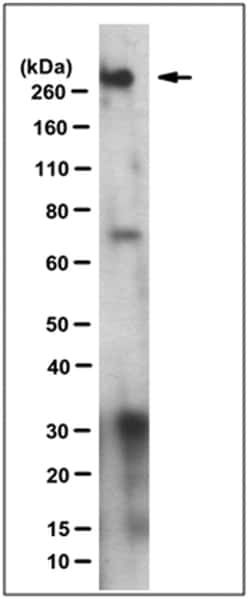
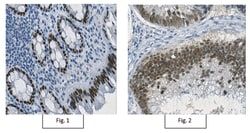
- Specifically detects SMARCB1 clone: 2C2 in Human samples, and it is validated for Immunocytochemistry, Western Blotting SWI/SNF-related matrix-associated actin-dependent regulator of chromatin subfamily B member 1 (SMARCB1), also known as BRG1-associated factor 47 (BAF47) or Integrase interactor 1 protein or SNF5 homolog (hSNF5), and encoded by the gene name SMARCB1 or BAF47, is part of a complex that relieves repressive chromatin structures, allowing the transcriptional machinery to access its targets more effectively
- The encoded nuclear protein has also been shown to bind to and enhance the DNA joining activity of HIV-1 integrase
- It has been found to be a tumor suppressor, and the loss of SMARCB1 has been associated with malignant rhabdoid tumors
- Tumor cells of synovial sarcoma seem to have a post transcriptional regulatory mechanism for SMARCB1.