PIMA515492
CD37 Monoclonal Antibody (2B8), Invitrogen™
Manufacturer: Thermo Scientific
Select a Size
| Pack Size | SKU | Availability | Price |
|---|---|---|---|
| Each of 1 | PIMA515492-Each-of-1 | In Stock | ₹ 52,999.50 |
PIMA515492 - Each of 1
In Stock
Quantity
1
Base Price: ₹ 52,999.50
GST (18%): ₹ 9,539.91
Total Price: ₹ 62,539.41
Antigen
CD37
Classification
Monoclonal
Concentration
Conc. Not Determined
Formulation
ascites with 0.03% sodium azide
Gene Accession No.
P11049, Q61470
Gene Symbols
CD37
Immunogen
Purified recombinant fragment of CD37 expressed in E. Coli.
Regulatory Status
RUO
Gene ID (Entrez)
12493, 951
Content And Storage
Store at 4°C short term. For long term storage, store at -20°C, avoiding freeze/thaw cycles.
Form
Liquid
Applications
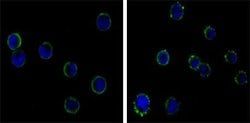
ELISA, Immunocytochemistry
Clone
2B8
Conjugate
Unconjugated
Gene
CD37
Gene Alias
CD37; CD37 antigen; CD37 molecule; cell differentiation antigen 37; GP52-40; Leukocyte antigen CD37; leukocyte surface antigen CD37; tetraspanin-26; Tspan26; Tspan-26
Host Species
Mouse
Quantity
100 μL
Primary or Secondary
Primary
Target Species
Human, Mouse
Product Type
Antibody
Isotype
IgG1
Related Products
Description
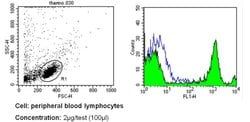
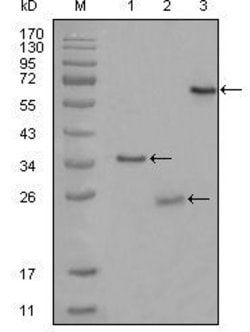
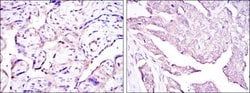
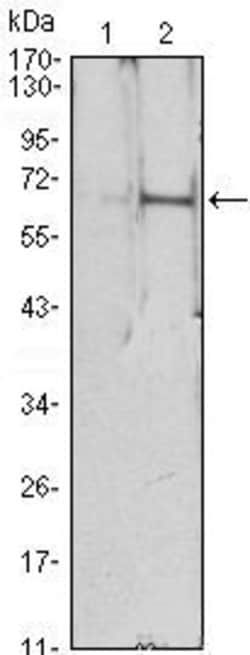
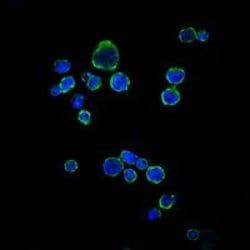
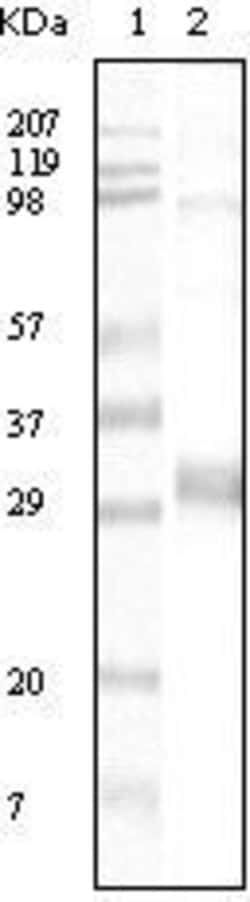
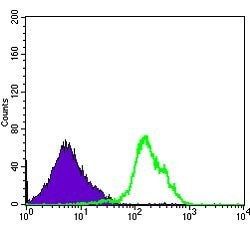
- MA5-15492 targets CD37 in indirect ELISA, IF applications and shows reactivity with Human and mouse samples
- The MA5-15492 immunogen is purified recombinant fragment of CD37 expressed in E
- Coli.<br>
- MA5-15492 detects CD37 which has a predicted molecular weight of approximately 31.7kDa
- The protein encoded by this gene is a member of the transmembrane 4 superfamily, also known as the tetraspanin family
- Most of these members are cell-surface proteins that are characterized by the presence of four hydrophobic domains
- The proteins mediate signal transduction events that play a role in the regulation of cell development, activation, growth and motility
- This encoded protein is a cell surface glycoprotein that is known to complex with integrins and other transmembrane 4 superfamily proteins
- It may play a role in T-cell-B-cell interactions
- Alternate splicing results in multiple transcript variants encoding different isoforms.