ENO1 Recombinant Rabbit Monoclonal Antibody (JM63-53), Invitrogen™
Manufacturer: Thermo Scientific
Select a Size
| Pack Size | SKU | Availability | Price |
|---|---|---|---|
| Each of 1 | PIMA532756-Each-of-1 | In Stock | ₹ 53,667.00 |
PIMA532756 - Each of 1
In Stock
Quantity
1
Base Price: ₹ 53,667.00
GST (18%): ₹ 9,660.06
Total Price: ₹ 63,327.06
Antigen
ENO1
Classification
Monoclonal
Concentration
1 mg/mL
Formulation
TBS with 0.05% BSA, 40% Glycerol and 0.05% sodium azide, pH 7.4
Gene Accession No.
P04764, P06733, P17182
Gene Symbols
ENO1
Immunogen
Synthetic peptide within Human ENO1 aa 1-50
Quantity
100 μL
Primary or Secondary
Primary
Target Species
Human, Mouse, Rat, Zebrafish
Product Type
Antibody
Isotype
IgG
Applications
Flow Cytometry, Immunocytochemistry, Western Blot, Western Blot
Clone
JM63-53
Conjugate
Unconjugated
Gene
ENO1
Gene Alias
0610008I15, 2-phospho-D-glycerate hydrolase, 2-phospho-D-glycerate hydro-lyase, AL022784, alpha enolase, alpha enolase like 1, alpha-enolase, alpha-enolase, c-myc promoter-binding protein-1, c-Myc promoter binding protein, C-myc promoter-binding protein, Eno1, Eno-1, ENO1L1, enoa, Enolase 1, enolase 1, (alpha), enolase 1, alpha non-neuron, enolase-alpha, epididymis secretory protein Li 17, HEL-S-17, MBP-1, MBPB1, MPB1, MPB-1, MYC promoter-binding protein 1, NNE, Non-neural enolase, phosphopyruvate hydratase, Plasminogen-binding protein, PPH, tau-crystallin
Host Species
Rabbit
Purification Method
Protein A
Regulatory Status
RUO
Gene ID (Entrez)
13806, 2023, 24333
Content And Storage
Store at 4°C short term. For long term storage, store at -20°C, avoiding freeze/thaw cycles.
Form
Liquid
Related Products
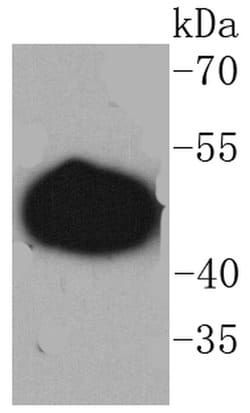
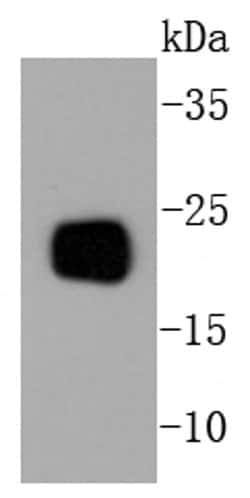
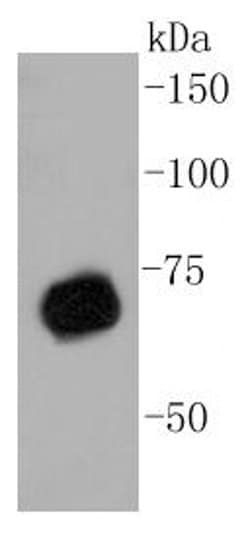
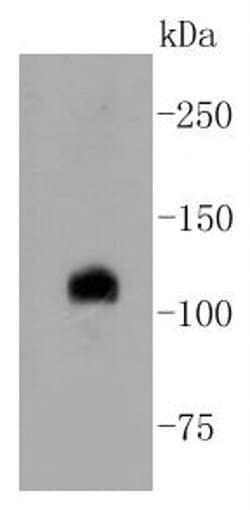
Description
- Recombinant rabbit monoclonal antibodies are produced using in vitro expression systems
- The expression systems are developed by cloning in the specific antibody DNA sequences from immunoreactive rabbits
- Then, individual clones are screened to select the best candidates for production
- The advantages of using recombinant rabbit monoclonal antibodies include: better specificity and sensitivity, lot-to-lot consistency, animal origin-free formulations, and broader immunoreactivity to diverse targets due to larger rabbit immune repertoire
- Enolase (2-phosphogly-cerate hydrolyase or phosphopyruvate hydrates) is a glycolytic enzyme that catalyzes the dehydration and conversion of 2-phosphoglycerate to phosphoenolpyruvate
- It comprises three distinct subunits, alpha, beta and gamma
- Non Neuronal Enolase(ENO1) is an isoform of mammalian enolase and is composed of 2 alpha subunits
- The gene for ENO1 also encodes a shorter monomeric structural lens protein, tau-crystallin
- Multifunctional enzyme that, as well as its role in glycolysis, plays a part in various processes such as growth control, hypoxia tolerance and allergic responses
- May also function in the intravascular and pericellular fibrinolytic system due to its ability to serve as a receptor and activator of plasminogen on the cell surface of several cell-types such as leukocytes and neurons
- Stimulates immunoglobulin production.Used as a diagnostic marker for many tumors and, in the heterodimeric form, alpha/gamma, as a marker for hypoxic brain injury after cardiac arrest
- Also marker for endometriosis
- Antibodies against alpha-enolase are present in sera from patients with cancer-associated retinopathy syndrome (CAR), a progressive blinding disease which occurs in the presence of systemic tumor growth, primarily small-cell carcinoma of the lung and other malignancies
- Is identified as an autoantigen in Hashimoto encephalopathy (HE) a rare autoimmune disease associated with Hashimoto thyroiditis (HT)
- HT is a disorder in which destructive processes overcome the potential capacity of thyroid replacement leading to hypothyroidism.