CD27 Recombinant Rabbit Monoclonal Antibody (JB40-98), Invitrogen™
Manufacturer: Thermo Scientific
Select a Size
| Pack Size | SKU | Availability | Price |
|---|---|---|---|
| Each of 1 | PIMA534708-Each-of-1 | In Stock | ₹ 47,481.50 |
PIMA534708 - Each of 1
In Stock
Quantity
1
Base Price: ₹ 47,481.50
GST (18%): ₹ 8,546.67
Total Price: ₹ 56,028.17
Antigen
CD27
Classification
Monoclonal
Concentration
1 mg/mL
Formulation
TBS with 0.05% BSA, 40% glycerol and 0.05% sodium azide; pH 7.4
Gene Accession No.
P26842
Gene Symbols
CD27
Immunogen
Synthetic peptide corresponding to Human Intracellular domain of CD27 aa 51-100
Quantity
100 μL
Primary or Secondary
Primary
Target Species
Human
Product Type
Antibody
Isotype
IgG
Applications
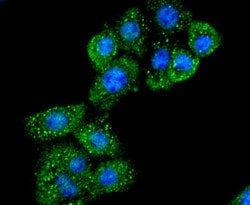
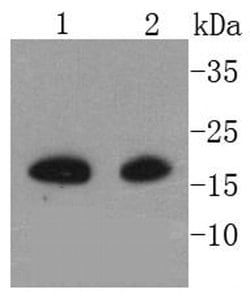
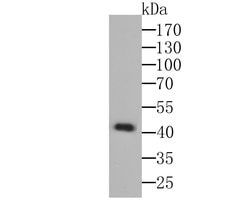
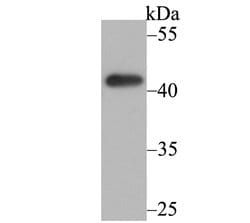
Flow Cytometry, Immunocytochemistry, Immunohistochemistry (Paraffin), Western Blot
Clone
JB40-98
Conjugate
Unconjugated
Gene
CD27
Gene Alias
CD antigen 27; CD27; CD27 antigen; CD27 molecule; CD27L receptor; LPFS2; S152; S152. LPFS2; sCD27; soluble CD27; T cell activation antigen S152; T14; T-cell activation antigen CD27; TNFRSF7; TNFSF7; Tp55; Tumor necrosis factor receptor superfamily member 7; tumor necrosis factor receptor superfamily, member 7
Host Species
Rabbit
Purification Method
Protein A
Regulatory Status
RUO
Gene ID (Entrez)
939
Content And Storage
-20° C, Avoid Freeze/Thaw Cycles, store in dark
Form
Liquid
Related Products
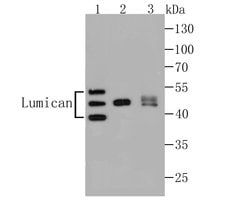
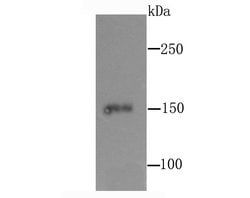
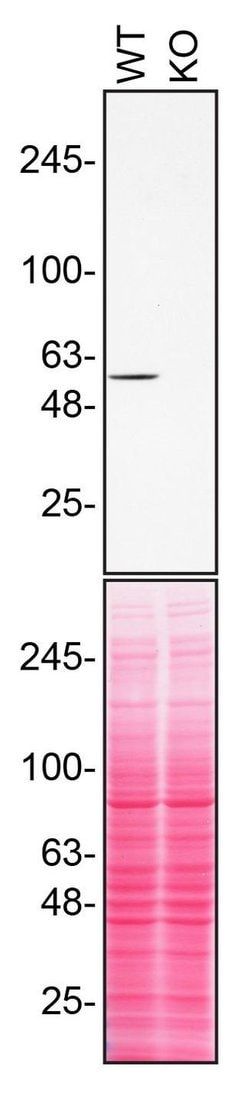
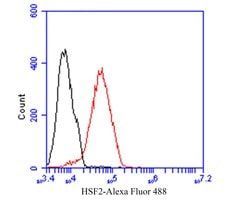
Description
- Positive Control: Raji, Daudi, K562, human tonsil tissue, rat spleen tissue
- CD27 is a 50 kDa member of the tumor necrosis factor (TNF) receptor superfamily that includes CD40 and CD30
- The TNF superfamily members are known for the regulation of cell proliferation and death
- In contrast to the expression of other TNFR/TNF family members, expression of CD27 and its ligand CD70 is predominantly confined to lymphocytes
- High expression levels of CD27 appear to be dependent on proper ligation of antigen receptors
- CD70 expression requires additional co-stimulatory and/or pro-inflammatory signals
- CD27 is expressed as a disulfide-linked homodimer on mature thymocytes, peripheral blood T cells and a subpopulation of B cells
- Activation of T cells via TCR-CD3 complex results in upregulation of CD27 expression on the plasma membrane as well as in the release of its soluble 28-32 kDa form, sCD27, detected in the plasma, urine or spinal fluid
- Soluble CD27 is an important prognostic marker of acute and chronic B cell malignancies
- RgpA, a cystein proteinase, although activating T cells through the protease-activated receptors (PARs), degradates CD27 and counteracts T cell activation mediated by CD27 and its ligand CD70
- CD27-binding protein (SIVA), a proapoptotic protein, can bind to this receptor and is thought to play an important role in the apoptosis induced by this receptor
- Diseases associated with CD27 dysfunction include Lymphoproliferative Syndrome 2 and Autosomal Recessive Lymphoproliferative Syndrome.