RXRA Recombinant Rabbit Monoclonal Antibody (JG99-38), Invitrogen™
Manufacturer: Thermo Scientific
Select a Size
| Pack Size | SKU | Availability | Price |
|---|---|---|---|
| Each of 1 | PIMA534806-Each-of-1 | In Stock | ₹ 47,481.50 |
PIMA534806 - Each of 1
In Stock
Quantity
1
Base Price: ₹ 47,481.50
GST (18%): ₹ 8,546.67
Total Price: ₹ 56,028.17
Antigen
RXRA
Classification
Monoclonal
Concentration
1 mg/mL
Formulation
TBS with 0.05% BSA, 40% glycerol and 0.05% sodium azide; pH 7.4
Gene Accession No.
P19793
Gene Symbols
Rxra
Immunogen
Recombinant protein corresponding to Human Retinoid X Receptor alpha aa 1-50
Quantity
100 μL
Primary or Secondary
Primary
Target Species
Human
Product Type
Antibody
Isotype
IgG
Applications
Immunocytochemistry, Immunohistochemistry (Paraffin), Immunoprecipitation, Western Blot
Clone
JG99-38
Conjugate
Unconjugated
Gene
Rxra
Gene Alias
9530071D11Rik; Nr2b1; Nuclear receptor subfamily 2 group B member 1; retinoic acid receptor RXR-alpha; retinoid X nuclear receptor alpha; retinoid X receptor; retinoid X receptor alpha; retinoid X receptor, alpha; rxr alpha; RXR alpha 1; Rxra; RXRalpha1
Host Species
Rabbit
Purification Method
Protein A
Regulatory Status
RUO
Gene ID (Entrez)
6256
Content And Storage
-20° C, Avoid Freeze/Thaw Cycles, store in dark
Form
Liquid
Related Products
Description
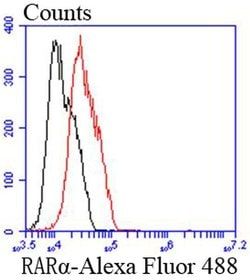
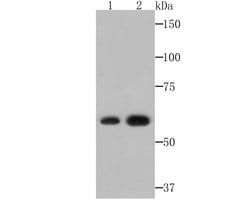
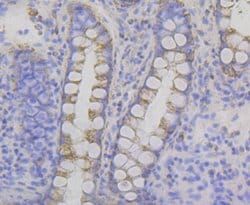
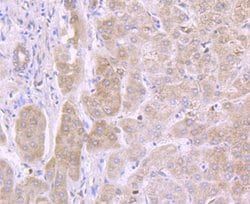
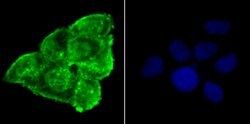
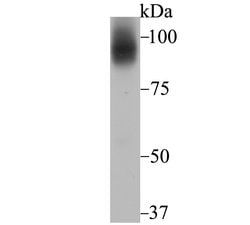
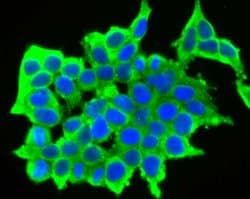
- Positive Control: MCF-7, rat liver tissue, human esophagus tissue
- Retinoic Acid (RA; active metabolite of vitamin A) plays a prominent role in regulating the transition of proliferating precursor cells (such as carcinoma cells and neuronal precursors) to postmitotic differentiated cells
- The Retinoid X Receptors (RXRs) family (RXR alpha, beta, and gamma), preferentially bind 9-cis -RA and regulate gene transcription by forming heterodimers with a second family of RA receptors
- RAs have been suggested to potentially play a therapeutic role in cervical cancer
- RAs are known to play key roles in neuronal development and an increasing body of evidence indicates that retinoid signaling may regulate synaptic plasticity and associated learning and memory behaviors.