PIPA5114746
IL-15 Polyclonal Antibody, Invitrogen™
Manufacturer: Thermo Scientific
Select a Size
| Pack Size | SKU | Availability | Price |
|---|---|---|---|
| Each of 1 | PIPA5114746-Each-of-1 | In Stock | ₹ 46,502.50 |
PIPA5114746 - Each of 1
In Stock
Quantity
1
Base Price: ₹ 46,502.50
GST (18%): ₹ 8,370.45
Total Price: ₹ 54,872.95
Antigen
IL-15
Classification
Polyclonal
Conjugate
Unconjugated
Gene
IL15
Gene Alias
AI503618; il 15; Il15; IL-15; ILN; Interleukin; interleukin 15; Interleukin15; interleukin-15; MGC9721; M-IL-15
Host Species
Rabbit
Purification Method
Affinity chromatography
Regulatory Status
RUO
Gene ID (Entrez)
16168, 3600
Content And Storage
-20°C
Form
Liquid
Applications
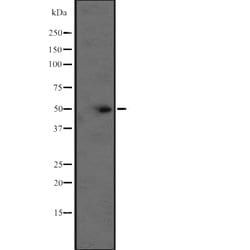
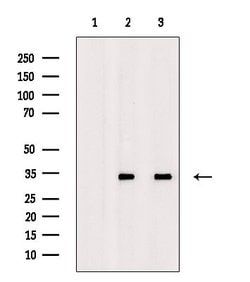
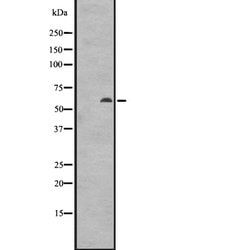
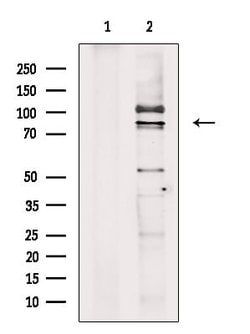
Immunohistochemistry (PFA fixed), Western Blot
Concentration
1 mg/mL
Formulation
PBS with 50% glycerol and 0.02% sodium azide
Gene Accession No.
P40933, P48346
Gene Symbols
IL15
Immunogen
A synthesized peptide derived from human IL15(Accession P40933), corresponding to amino acid residues S102-V152.
Quantity
100 μL
Primary or Secondary
Primary
Target Species
Human, Mouse
Product Type
Antibody
Isotype
IgG
Related Products
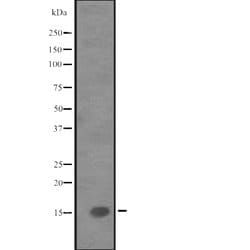
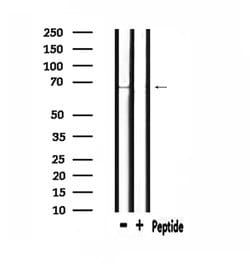
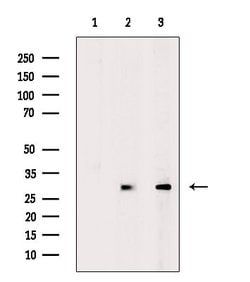
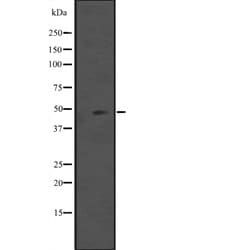
Description
- Antibody detects endogenous levels of total IL15
- IL-15 (Interleukin 15 ) is a cytokine that regulates T and natural killer cell activation and proliferation
- IL-15 and IL-2 share many biological activities as both have been found to bind common hematopoietin receptor subunits, and may compete for the same receptor, and thus negatively regulate each other's activity
- The number of CD8+ memory cells is shown to be controlled by a balance between IL-15 and IL-2
- IL-15 induces the activation of JAK kinases, as well as the phosphorylation and activation of transcription activators STAT3, STAT5, and STAT6
- In mouse, studies suggest that IL-15 may increase the expression of apoptosis inhibitor Bcl-xL, possibly through the transcription activation activity of STAT6, and thus prevent apoptosis
- IL-15 plays an important role in the growth and differentiation of T and B lymphocytes, natural killer cells, macrophages, and monocytes as well as activation of a number of important intracellular signaling molecules
- As such, IL-15 could be essential for the immune responses, allograft rejection, and the pathogenesis of autoimmune diseases
- Further, IL-15 is a widely expressed pro-inflammatory cytokine and has been shown to play a role in several inflammatory disorders, including rheumatoid arthritis, psoriasis and pulmonary inflammatory diseases
- Emerging data suggest that IL-15 may serve as a good therapeutic target, as there appears to be a beneficial effect of IL-15 neutralization in models of psoriasis and diabetes.