PIPA5143742
Phosphotyrosine Polyclonal Antibody, Invitrogen™
Manufacturer: Thermo Scientific
Select a Size
| Pack Size | SKU | Availability | Price |
|---|---|---|---|
| Each of 1 | PIPA5143742-Each-of-1 | In Stock | ₹ 39,961.00 |
PIPA5143742 - Each of 1
In Stock
Quantity
1
Base Price: ₹ 39,961.00
GST (18%): ₹ 7,192.98
Total Price: ₹ 47,153.98
Antigen
Phosphotyrosine
Classification
Polyclonal
Conjugate
Unconjugated
Gene
Pdpk1
Gene Alias
Phosphotyrosine; pTyr; pY
Immunogen
Anti-Phosphotyrosine was generated from a panel of phosphotyrosine-containing peptide immunogens designed from human protein sequences. All peptide sequences used are highly conserved phosphotyrosine motifs.
Quantity
100 μL
Primary or Secondary
Primary
Target Species
Human, Multi-species, Mouse, Rat
Form
Liquid
Applications
Immunocytochemistry, Immunoprecipitation, Western Blot
Concentration
Lot-Specific
Formulation
PBS with 1mg/mL BSA, 50% glycerol and 0.05% sodium azide
Gene Accession No.
O15530, O55173, Q9Z2A0
Host Species
Rabbit
Purification Method
Antigen affinity chromatography
Regulatory Status
RUO
Gene ID (Entrez)
18607, 5170, 81745
Content And Storage
-20° C, Avoid Freeze/Thaw Cycles
Isotype
IgG
Related Products
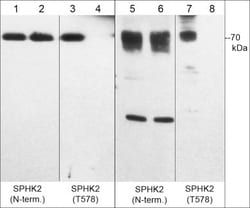
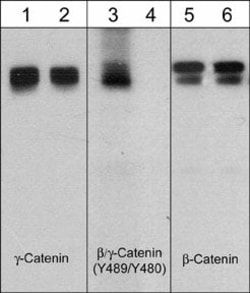
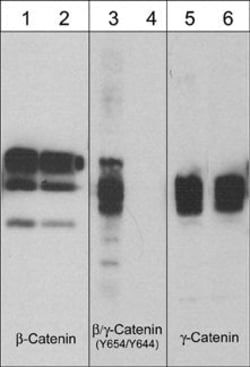
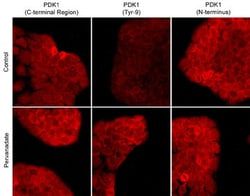
Description
- This antibody detects phosphotyrosine-containing proteins on SDS-PAGE immunoblots of EGF treated A431 cells, as well as pervanadate treated A431, HeLa, Jurkat, and endothelial cells
- The role of tyrosine phosphorylation in transduction of the mitogenic signal from transmembrane receptors and in transformation by oncogene tyrosine kinases has been the subject of intense investigation for several years
- While the phosphorylation of specific tyrosine residues has been shown to be a primary mechanism of signal transduction during normal mitogenesis, cell cycle progression and oncogenic transformation, its role in other areas such as differentiation and gap junction communication, is a matter of active and ongoing research
- Antibodies that specifically recognize phosphorylated tyrosine residues have proved to be invaluable to the study of tyrosine -phosphorylated proteins and the biochemical pathways in which they function
- The fluorescein (FITC) conjugate of clone PY20 anti-phosphotyrosine is especially useful for the detection of these P-Tyr proteins in immunohistochemical and immunocytochemical protocols in situations wherein the use of a secondary antibody would complicate detection of the protein(s) of interest.