50-172-6185
CCM3/PDCD10 Rabbit anti-Human, Mouse, Rat, Polyclonal, Proteintech
Manufacturer: Proteintech Group Inc
Select a Size
| Pack Size | SKU | Availability | Price |
|---|---|---|---|
| Each of 1 | 50-172-6185-Each-of-1 | In Stock | ₹ 44,150.23 |
50-172-6185 - Each of 1
In Stock
Quantity
1
Base Price: ₹ 44,150.23
GST (18%): ₹ 7,947.041
Total Price: ₹ 52,097.271
Antigen
CCM3/PDCD10
Classification
Polyclonal
Conjugate
Unconjugated
Gene
PDCD10
Gene Alias
CCM3, PDCD10, programmed cell death 10, TFAR15
Host Species
Rabbit
Purification Method
Antigen Affinity Chromatography
Regulatory Status
RUO
Gene ID (Entrez)
11235, 494345, 56426
Content And Storage
-20°C
Form
Liquid
Applications
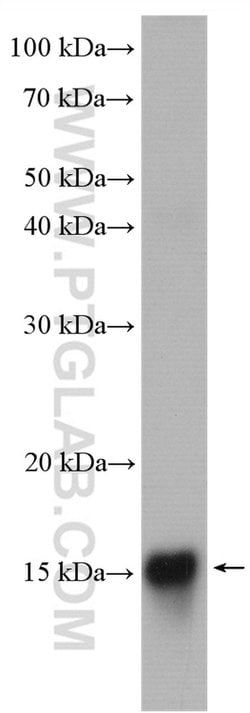
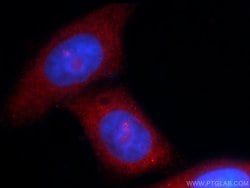
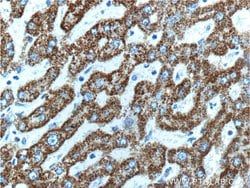
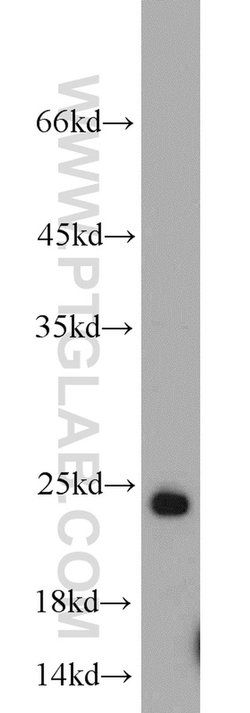
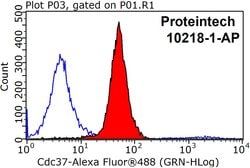
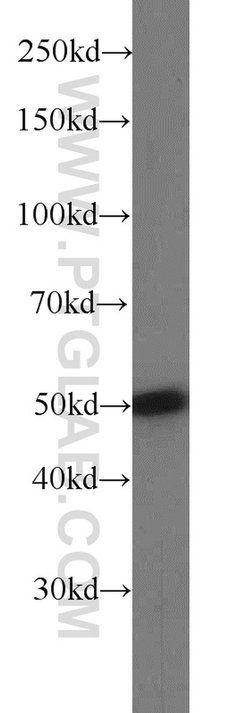
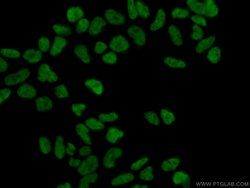
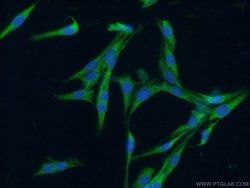
Immunocytochemistry, Immunofluorescence, Immunohistochemistry (Paraffin), Immunoprecipitation, Western Blot
Concentration
0.32 mg/mL
Formulation
PBS with 50% glycerol and 0.1% sodium azide; pH 7.3
Gene Accession No.
Q6NX65, Q8VE70, Q9BUL8
Gene Symbols
Pdcd10
Immunogen
CCM3/PDCD10 Fusion Protein Ag0348
Quantity
150 μL
Primary or Secondary
Primary
Target Species
Human, Mouse, Rat
Product Type
Antibody
Isotype
IgG
Related Products
Description
- 10294-2-AP is a rabbit polyclonal antibody raised against the full-length PDCD10 of human origin
- This gene encodes an evolutionarily conserved protein associated with cell apoptosis
- The protein interacts with the serine/threonine protein kinase MST4 to modulate the extracellular signal-regulated kinase (ERK) pathway
- It also interacts with and is phosphoryated by serine/threonine kinase 25, and is thought to function in a signaling pathway essential for vascular developent
- Mutations in this gene are one cause of cerebral cavernous malformations, which are vascular malformations that cause seizures and cerebral hemorrhages
- Multiple alternatively spliced variants, encoding the same protein, have been identified.