ABN1698MI
MilliporeSigma™ Rabbit anti-Aspa/Nur7, Polyclonal,
Manufacturer: MilliporeSigma™
Select a Size
| Pack Size | SKU | Availability | Price |
|---|---|---|---|
| Each of 1 | ABN1698MI-Each-of-1 | In Stock | ₹ 42,716.44 |
ABN1698MI - Each of 1
In Stock
Quantity
1
Base Price: ₹ 42,716.44
GST (18%): ₹ 7,688.959
Total Price: ₹ 50,405.399
Antigen
Aspa/Nur7
Classification
Polyclonal
Gene Accession No.
Q8R3P0
Host Species
Rabbit
Purification Method
Protein G Purified
Regulatory Status
RUO
Primary or Secondary
Primary
Target Species
Human, Mouse, Rat
Form
Purified
Applications
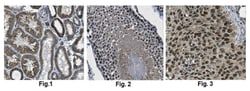
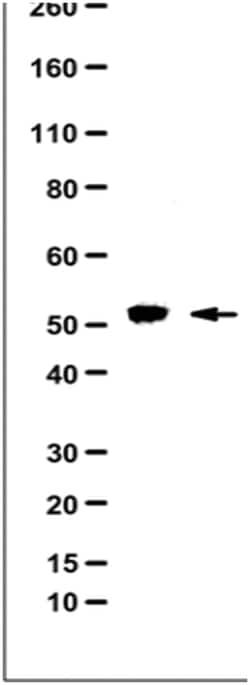
Immunohistochemistry, Western Blot
Formulation
Purified rabbit polyclonal antibody in buffer containing 0.1M Tris-Glycine (pH 7.4), 150mM NaCl with 0.05% sodium azide.
Gene Symbols
Aspa
Immunogen
N-terminally his-tagged full-length recombinant mouse Aspa/Nur7.
Quantity
100 μg
Research Discipline
Neuroscience
Gene ID (Entrez)
NP_075602
Content And Storage
Stable for one year at 2°C to 8°C from date of receipt.
Related Products

Description
- Specifically detects Aspa/Nur7 in Human, Mouse, Rat samples, and it is validated for Immunohistochemistry, Western Blotting Aspartoacylase (EC 3.5.1.15; UniProt Q8R3P0; also known as Acy-2, Aminoacylase-2, Nur-7) is encoded by the Aspa (also known as Acy2) gene (Gene ID 11484) in murine species
- Aspartoacylase catalyzes the deacetylation of N-acetylaspartate (NAA) to generate free acetate in the central nervous system (CNS)
- Mutations in the ASPA gene cause the autosomal recessive neurodegenerative Canavan disease (CD) that results in inadequate lipid/myelin synthesis during development
- Immunohistochemical staining reveals that aspartoacylase colocalizes with the oligodendrocyte marker CC1 throughout the brain, indicating its role in myelination.