MABE1041MI
MilliporeSigma™ Rat anti-Pax-9, Clone: 7C2 (P9C23),
Manufacturer: MilliporeSigma™
Select a Size
| Pack Size | SKU | Availability | Price |
|---|---|---|---|
| Each of 1 | MABE1041MI-Each-of-1 | In Stock | ₹ 37,706.63 |
MABE1041MI - Each of 1
In Stock
Quantity
1
Base Price: ₹ 37,706.63
GST (18%): ₹ 6,787.193
Total Price: ₹ 44,493.823
Antigen
Pax-9
Classification
Monoclonal
Formulation
Purified rat monoclonal IgG1κ in buffer containing 0.1M Tris-Glycine (pH 7.4), 150mM NaCl with 0.05% sodium azide.
Gene Symbols
Pax9; Pax-9
Immunogen
MBP-tagged recombinant protein corresponding to the C-terminal region of mouse Pax-9.
Quantity
100 μg
Research Discipline
Epigenetics and Nuclear Function
Gene ID (Entrez)
NP_035171
Content And Storage
Stable for one year at 2°C to 8°C from date of receipt.
Isotype
IgG1 κ
Applications
Western Blot
Clone
7C2 (P9C23)
Gene Accession No.
P47242
Host Species
Rat
Purification Method
Protein G Purified
Regulatory Status
RUO
Primary or Secondary
Primary
Target Species
Human, Mouse
Form
Purified
Related Products

Description
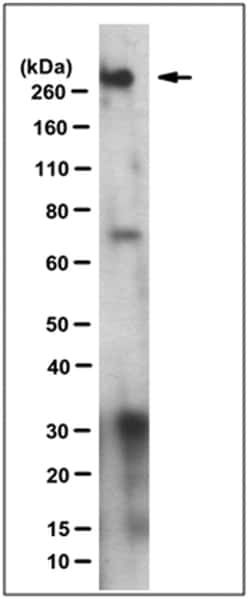
- Specifically detects Pax-9 clone: 7C2 (P9C23) in Human, Mouse samples, and it is validated for Western Blotting Paired box protein Pax-9 (UniProt P47242; also known as Paired box gene 9) is encoded by the Pax9 gene (Gene ID 18511) in murine species
- Pax9 belongs to a family of nine transcription factors (Pax1-9) characterized by the presence of a DNA-binding ‘paired’-domain
- Pax family transcription factors regulate the morphogenesis of a wide range of organs and are key factors for the development of mammalian sensory organs such as the eye (Pax6, Pax2), nose (Pax6), ears (Pax2, Pax8), and the endoderm-derived taste papillae (Pax9)
- In addition, Pax9 expression in the normal epithelium of the adult human oesophagus is reported to be either lost or significantly reduced in the majority of invasive carcinomas and epithelial dysplasias (precancerous lesions)
- The drop in the percentage of Pax9-positive cells in the epithelium decreases with increasing malignancy of the epithelial lesion.