PA14515
PINK1 Polyclonal Antibody, Invitrogen™
Manufacturer: Thermo Scientific
Select a Size
| Pack Size | SKU | Availability | Price |
|---|---|---|---|
| Each of 1 | PA14515-Each-of-1 | In Stock | ₹ 46,502.50 |
PA14515 - Each of 1
In Stock
Quantity
1
Base Price: ₹ 46,502.50
GST (18%): ₹ 8,370.45
Total Price: ₹ 54,872.95
Antigen
PINK1
Classification
Polyclonal
Conjugate
Unconjugated
Gene
PINK1
Gene Alias
1190006F07Rik; AU042772; AW557854; BRPK; FLJ27236; mFLJ00387; PARK6; PINK 1; Pink1; PINK-1; protein kinase BRPK; PTEN induced putative kinase 1; PTEN-induced putative kinase protein 1; Serine/threonine-protein kinase PINK1, mitochondrial
Host Species
Rabbit
Purification Method
Antigen affinity chromatography
Regulatory Status
RUO
Gene ID (Entrez)
65018
Content And Storage
-20° C, Avoid Freeze/Thaw Cycles
Form
Liquid
Applications
Western Blot
Concentration
1 mg/mL
Formulation
PBS with 0.02% sodium azide
Gene Accession No.
Q9BXM7
Gene Symbols
PINK1
Immunogen
Synthetic peptide: Y(258) R K S K R G P K Q L A P H P N I(274)
Quantity
100 μg
Primary or Secondary
Primary
Target Species
Human
Product Type
Antibody
Isotype
IgG
Related Products


Description
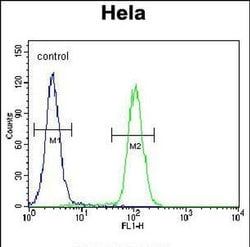
- PA1-4515 detects PINK1 in human samples
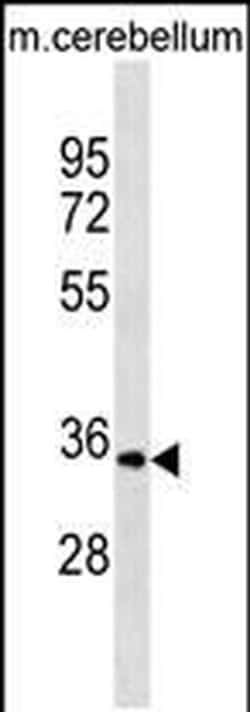
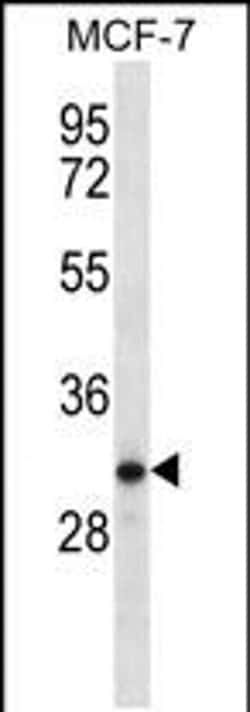
- PA1-4515 has been successfully used in Western blotting procedures
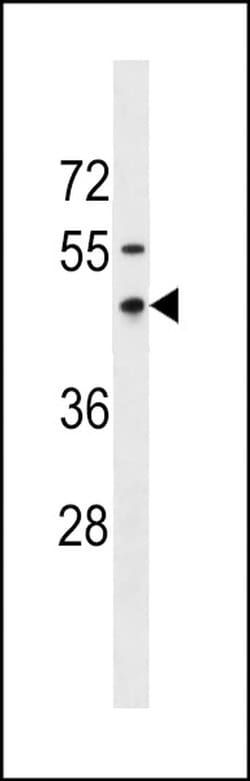
- By Western blot, this antibody detects a ∽64 kDa protein representing PINK1 in transfected HEK293T cells
- PA1-4515 immunizing peptide corresponds to amino acid residues 258-274 of human PINK1
- PINK1 (PTEN-induced putative kinase 1) protects from mitochondrial dysfunction in cells by conferring different autophosphorylation activity to mitochondrial genes
- The kinase domain of PINK1 appears to be critical in its protective effects
- Mitochondrial proteins are critical for the regulation of cellular energy and adaptation to stress
- Particularly in brain cells, mitochondrial demand is extraordinarily high, in order to accommodate aerobic and anaerobic support of high energy processes
- When mitochondrial structure and/or function is disrupted in the brain, neurodegenerative diseases like Parkinson's disease are triggered.