PIMA515671
HAS1 Monoclonal Antibody (3E10), Invitrogen™
Manufacturer: Thermo Scientific
Select a Size
| Pack Size | SKU | Availability | Price |
|---|---|---|---|
| Each of 1 | PIMA515671-Each-of-1 | In Stock | ₹ 52,198.50 |
PIMA515671 - Each of 1
In Stock
Quantity
1
Base Price: ₹ 52,198.50
GST (18%): ₹ 9,395.73
Total Price: ₹ 61,594.23
Antigen
HAS1
Classification
Monoclonal
Concentration
Conc. Not Determined
Formulation
ascites with 0.03% sodium azide
Gene Accession No.
Q92839
Gene Symbols
Has1
Immunogen
Purified recombinant fragment of human HAS1 expressed in E. Coli.
Regulatory Status
RUO
Gene ID (Entrez)
3036
Content And Storage
Store at 4°C short term. For long term storage, store at -20°C, avoiding freeze/thaw cycles.
Form
Liquid
Applications
ELISA, Immunocytochemistry, Western Blot
Clone
3E10
Conjugate
Unconjugated
Gene
Has1
Gene Alias
HA synthase 1; HAS; Has1; huHAS1; Hyaluronan synthase 1; hyaluronan synthase1; hyaluronate synthase 1; Hyaluronic acid synthase 1
Host Species
Mouse
Quantity
100 μL
Primary or Secondary
Primary
Target Species
Human
Product Type
Antibody
Isotype
IgG1
Related Products
Description
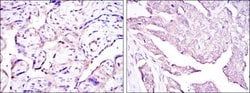
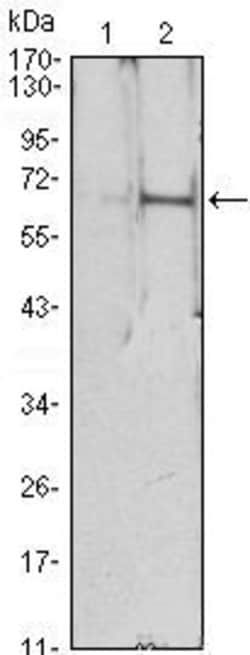
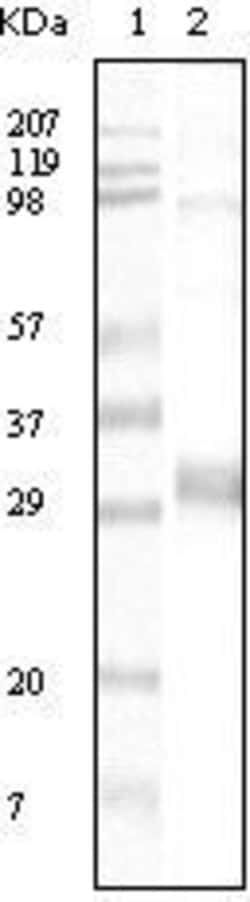
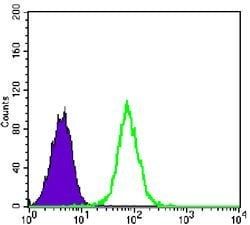
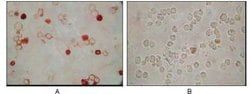
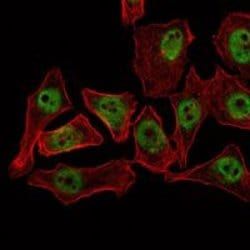
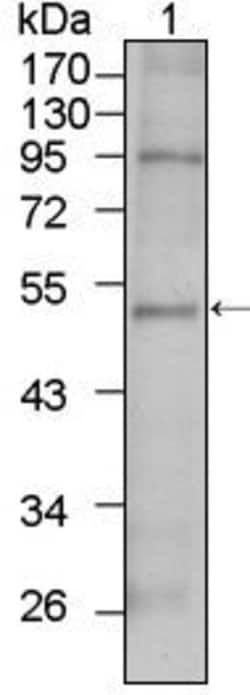
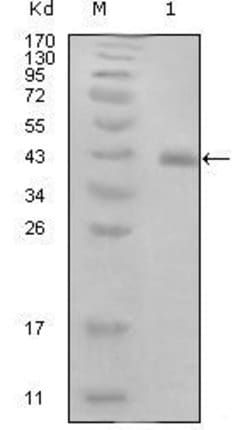
- MA5-15671 targets HAS1 in indirect ELISA, IF and WB applications and shows reactivity with Human samples
- The MA5-15671 immunogen is purified recombinant fragment of human HAS1 expressed in E
- Coli
- MA5-15671 detects HAS1 which has a predicted molecular weight of approximately 65kDa
- Hyaluronic acid is a high molecular weight unbranched polysaccharide synthesized by a wide variety of organisms from bacteria to mammals, and is a constituent of the extracellular matrix
- It consists of alternating glucuronic acid and N-acetylglucosamine residues that are linked by beta-1-3 and beta-1-4 glycosidic bonds
- HA is synthesized by membrane-bound synthase at the inner surface of the plasma membrane, and the chains are extruded through pore-like structures into the extracellular space
- It serves a variety of functions, including space filling, lubrication of joints, and provision of a matrix through which cells can migrate
- HA is actively produced during wound healing and tissue repair to provide a framework for ingrowth of blood vessels and fibroblasts
- Changes in the serum concentration of HA are associated with inflammatory and degenerative arthropathies such as rheumatoid arthritis
- In addition, the interaction of HA with the leukocyte receptor CD44 is important in tissue-specific homing by leukocytes, and overexpression of HA receptors has been correlated with tumor metastasis
- HAS1 is a member of the newly identified vertebrate gene family encoding putative hyaluronan synthases, and its amino acid sequence shows significant homology to the hasA gene product of Streptococcus pyogenes.