PIPA5104831
Phospho-EpoR (Tyr368) Polyclonal Antibody, Invitrogen™
Manufacturer: Thermo Scientific
Select a Size
| Pack Size | SKU | Availability | Price |
|---|---|---|---|
| Each of 1 | PIPA5104831-Each-of-1 | In Stock | ₹ 45,345.50 |
PIPA5104831 - Each of 1
In Stock
Quantity
1
Base Price: ₹ 45,345.50
GST (18%): ₹ 8,162.19
Total Price: ₹ 53,507.69
Antigen
Phospho-EpoR (Tyr368)
Classification
Polyclonal
Conjugate
Unconjugated
Gene
EPOR
Gene Alias
EPO R; EPOR; EPO-R; Erythropoietin receptor; pEpoR
Host Species
Rabbit
Purification Method
sequential chromatography
Regulatory Status
RUO
Gene ID (Entrez)
13857, 2057, 24336
Content And Storage
-20°C
Form
Liquid
Applications
Immunocytochemistry, Western Blot
Concentration
1 mg/mL
Formulation
PBS with 50% glycerol and 0.02% sodium azide; pH 7.4
Gene Accession No.
P14753, P19235, Q07303
Gene Symbols
EPOR
Immunogen
A synthesized peptide derived from human EPOR(Accession P19235), corresponding to amino acid residues around phosphorylated Tyr368.
Quantity
100 μL
Primary or Secondary
Primary
Target Species
Human, Mouse, Rat
Product Type
Antibody
Isotype
IgG
Related Products
Description
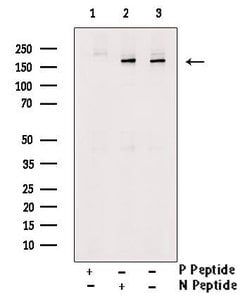
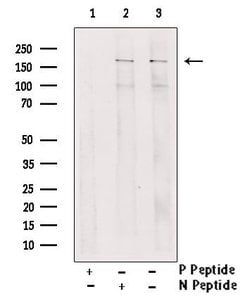
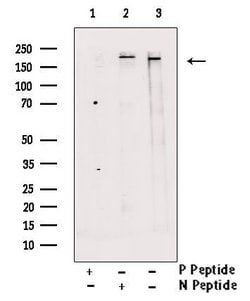
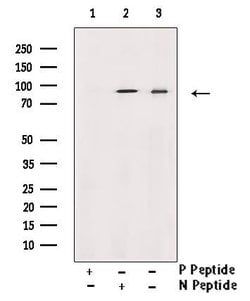
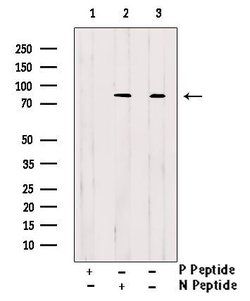
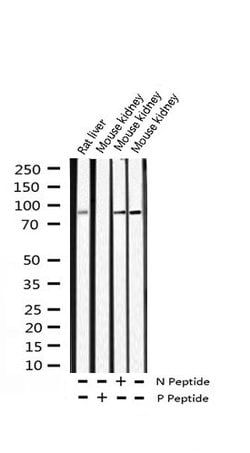
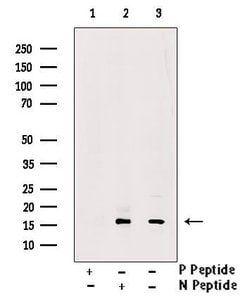
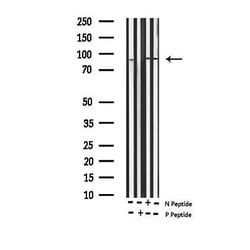
- Antibody detects endogenous levels of Epo-R only when phosphorylated at Tyrosine 368
- EpoR encodes the erythropoietin receptor, which belongs to the cytokine receptor family
- When erythropoietin binds to this receptor, it activates the Jak2 tyrosine kinase, which in turn activates various intracellular pathways including Ras/MAP kinase, phosphatidylinositol 3-kinase, and STAT transcription factors
- The stimulated erythropoietin receptor plays a role in the survival of erythroid cells
- Defects in this gene may result in erythroleukemia and familial erythrocytosis
- Dysregulation of this gene may also affect the growth of certain tumors
- Multiple transcript variants are produced as a result of alternate splicing
- Diseases associated with EPOR include Erythrocytosis, Familial, 1 and Erythroleukemia.