Palladin Polyclonal Antibody, Invitrogen™
Manufacturer: Thermo Scientific
Select a Size
| Pack Size | SKU | Availability | Price |
|---|---|---|---|
| Each of 1 | PIPA5121705-Each-of-1 | In Stock | ₹ 14,756.20 |
PIPA5121705 - Each of 1
In Stock
Quantity
1
Base Price: ₹ 14,756.20
GST (18%): ₹ 2,656.116
Total Price: ₹ 17,412.316
Antigen
Palladin
Classification
Polyclonal
Conjugate
Unconjugated
Gene
PALLD
Gene Alias
2410003B16Rik; 6030492A02; 90kDa actin-associated protein palladin; actin-associated protein palladin; CGI151; CGI-151; FLJ22190; FLJ38193; FLJ39139; involved in cytoskeletal assembly; KIAA0992; MYN; myoneurin; palladin; palladin isoform; palladin pseudogene; palladin, cytoskeletal associated protein; PALLD; PNCA1; Sarcoma antigen NY-SAR-77; SIH002
Host Species
Rabbit
Purification Method
Antigen affinity chromatography
Regulatory Status
RUO
Gene ID (Entrez)
23022
Content And Storage
-20°C
Form
Liquid
Applications
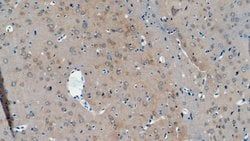
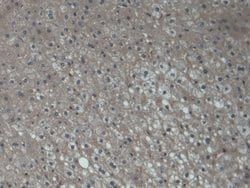
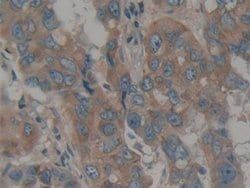
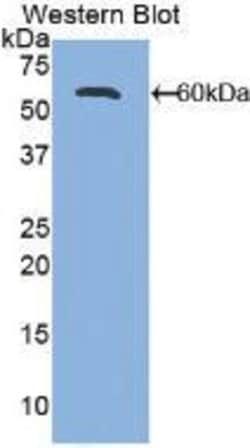
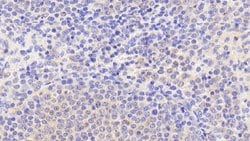
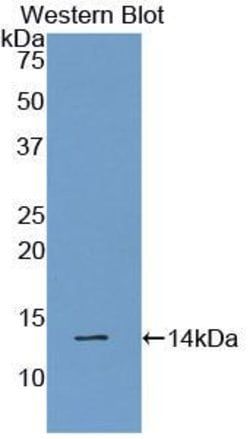
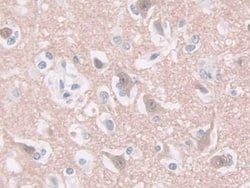
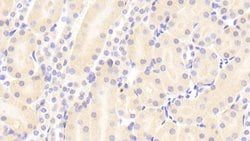
Immunocytochemistry, Immunohistochemistry (Paraffin), Western Blot
Concentration
0.52 mg/mL
Formulation
PBS with 50% glycerol and 0.05% ProClin 300
Gene Accession No.
Q8WX93
Gene Symbols
PALLD
Immunogen
Recombinant protein Palladin. The antigen corresponds to amino acid range 1137-1383 of the target protein.
Quantity
20 μL
Primary or Secondary
Primary
Target Species
Human
Product Type
Antibody
Isotype
IgG
Related Products
Description
- Palladin is a cytoskeletal protein required for organization of normal actin cytoskeleton
- Palladin plays roles in establishing cell morphology, motility, cell adhesion and cell-extracellular matrix interactions in a variety of cell types
- Palladin may function as a scaffolding molecule with the potential to impact both actin polymerization as well as the assembly of existing actin filaments into higher-order arrays
- It binds to proteins that bind to either monomeric or filamentous actin
- It localizes at sites where active actin remodeling takes place, such as lamellipodia and membrane ruffles
- Palladin's different isoforms may have functional differences
- It is also involved in the control of morphological and cytoskeletal changes associated with dendritic cell maturation.