DOPA Decarboxylase Polyclonal Antibody, Invitrogen™
Manufacturer: Thermo Scientific
Select a Size
| Pack Size | SKU | Availability | Price |
|---|---|---|---|
| Each of 1 | PIPA525450-Each-of-1 | In Stock | ₹ 48,816.50 |
PIPA525450 - Each of 1
In Stock
Quantity
1
Base Price: ₹ 48,816.50
GST (18%): ₹ 8,786.97
Total Price: ₹ 57,603.47
Antigen
DOPA Decarboxylase
Classification
Polyclonal
Conjugate
Unconjugated
Gene
DDC
Gene Alias
AADC; aromatic L-amino acid decarboxylase; aromatic-L-amino acid decarboxylase; aromatic-L-amino-acid decarboxylase; DDC; DOPA decarboxylase; dopa decarboxylase (aromatic L-amino acid decarboxylase); HGNC:2719; L-Dopa decarboxylase
Host Species
Rabbit
Purification Method
Antigen affinity chromatography, Protein A
Regulatory Status
RUO
Gene ID (Entrez)
13195, 1644
Content And Storage
-20° C, Avoid Freeze/Thaw Cycles
Form
Liquid
Applications
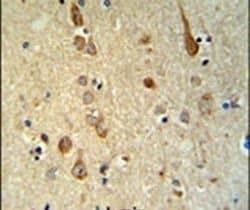
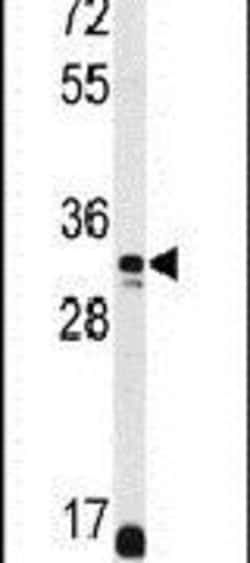
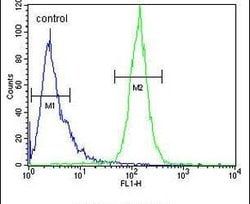
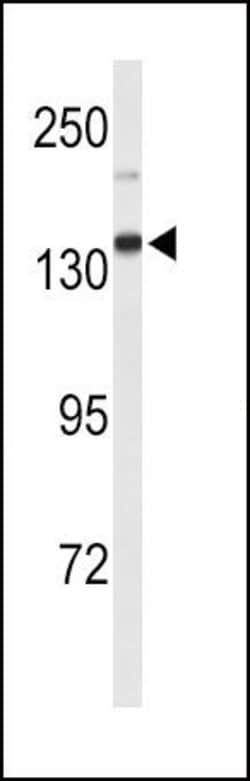
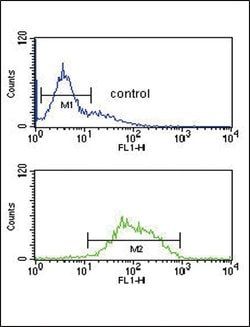
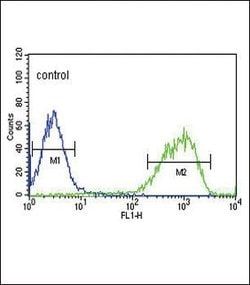
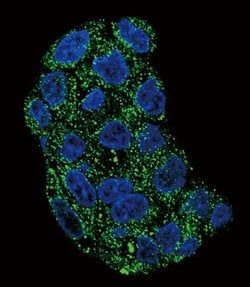
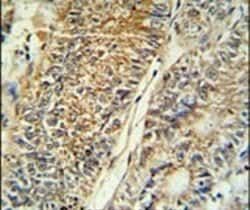
Flow Cytometry, Immunocytochemistry, Immunohistochemistry (Paraffin), Western Blot
Concentration
0.5 mg/mL
Formulation
PBS with 0.09% sodium azide
Gene Accession No.
O88533, P20711
Gene Symbols
DDC
Immunogen
KLH conjugated synthetic peptide between 32-61 amino acids from the N-terminal region of human DDC
Quantity
400 μL
Primary or Secondary
Primary
Target Species
Human, Mouse
Product Type
Antibody
Isotype
Ig
Related Products
Description
- DOPA Decarboxylase (aromatic L-amino acid decarboxylase, AADC; DDC) catalyzes the second reaction in the biosynthesis of catecholamines and serotonin (Waymire and Haycock, 2002; Berry et al., 1996; Haycock et al., 2003)
- It is also involved in the biosynthesis of trace amines
- DDC antibodies can therefore be used as markers for dopaminergic, noradrenergic and serotonergic neurons in a variety of applications including depression, schizophrenia, Parkinson's disease and drug abuse (Kish et al., 2001; Zhu et al., 2000; Zhu et al., 1999).