PIPA5105254
ENSA Polyclonal Antibody, Invitrogen™
Manufacturer: Thermo Scientific
Select a Size
| Pack Size | SKU | Availability | Price |
|---|---|---|---|
| Each of 1 | PIPA5105254-Each-of-1 | In Stock | ₹ 46,502.50 |
PIPA5105254 - Each of 1
In Stock
Quantity
1
Base Price: ₹ 46,502.50
GST (18%): ₹ 8,370.45
Total Price: ₹ 54,872.95
Antigen
ENSA
Classification
Polyclonal
Conjugate
Unconjugated
Gene
ENSA
Gene Alias
1700020C18Rik; 2610007F17Rik; AI451924; Alpha-endosulfine; ARPP-19e; endosulfine alpha; endosulfine-alpha variant 1; endosulfine-alpha variant 3; ENSA
Host Species
Rabbit
Purification Method
Affinity chromatography
Regulatory Status
RUO
Gene ID (Entrez)
2029, 56205, 60334
Content And Storage
-20°C
Form
Liquid
Applications
Western Blot
Concentration
1 mg/mL
Formulation
PBS with 50% glycerol and 0.02% sodium azide; pH 7.4
Gene Accession No.
O43768, P60840, P60841
Gene Symbols
ENSA
Immunogen
A synthesized peptide derived from human ENSA(Accession O43768), corresponding to amino acid residues Y41-L91.
Quantity
100 μL
Primary or Secondary
Primary
Target Species
Human, Mouse, Rat
Product Type
Antibody
Isotype
IgG
Related Products
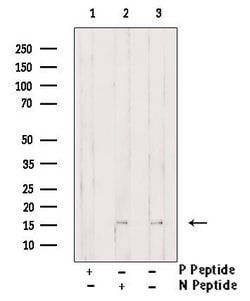
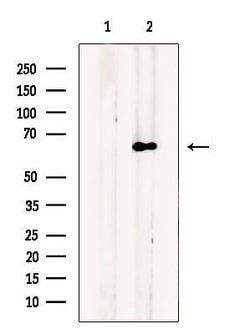
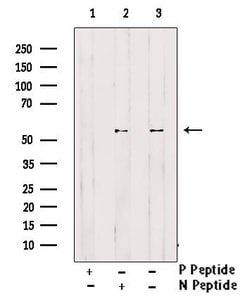
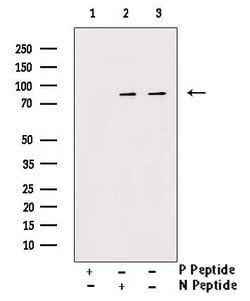
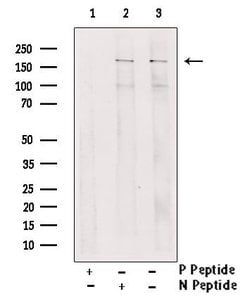
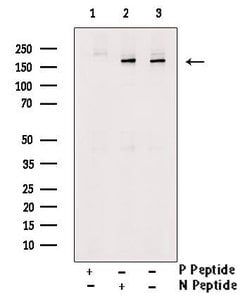
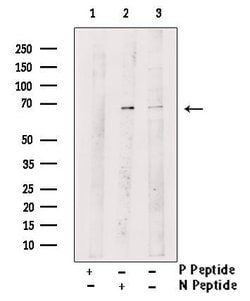
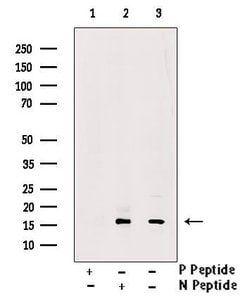
Description
- Antibody detects endogenous levels of total ENSA
- The protein encoded by this gene belongs to a highly conserved cAMP-regulated phosphoprotein (ARPP) family
- This protein was identified as an endogenous ligand for the sulfonylurea receptor, ABCC8/SUR1
- ABCC8 is the regulatory subunit of the ATP-sensitive potassium (KATP) channel, which is located on the plasma membrane of pancreatic beta cells and plays a key role in the control of insulin release from pancreatic beta cells
- This protein is thought to be an endogenous regulator of KATP channels
- In vitro studies have demonstrated that this protein modulates insulin secretion through the interaction with KATP channel, and this gene has been proposed as a candidate gene for type 2 diabetes
- At least eight alternatively spliced transcript variants encoding distinct isoforms have been observed.