CD11b Recombinant Rabbit Monoclonal Antibody (JU93-81), Invitrogen™
Manufacturer: Thermo Scientific
Select a Size
| Pack Size | SKU | Availability | Price |
|---|---|---|---|
| Each of 1 | PIMA532793-Each-of-1 | In Stock | ₹ 47,659.50 |
PIMA532793 - Each of 1
In Stock
Quantity
1
Base Price: ₹ 47,659.50
GST (18%): ₹ 8,578.71
Total Price: ₹ 56,238.21
Antigen
CD11b
Classification
Monoclonal
Concentration
1 mg/mL
Formulation
TBS with 0.05% BSA, 40% Glycerol and 0.05% sodium azide, pH 7.4
Gene Accession No.
P11215
Gene Symbols
ITGAM
Immunogen
Synthetic peptide within Human CD11b 1103-1152
Quantity
100 μL
Primary or Secondary
Primary
Target Species
Human
Product Type
Antibody
Isotype
IgG
Applications
Flow Cytometry, Immunocytochemistry, Immunohistochemistry (Paraffin), Western Blot, Western Blot
Clone
JU93-81
Conjugate
Unconjugated
Gene
ITGAM
Gene Alias
antigen CD11b (p170), antigen CD11b (p170), macrophage antigen alpha polypeptide, CD11 antigen-like family member B, CD11b, CD11B (p170), CD11b/CD18, cell surface glycoprotein MAC-1 alpha subunit, cell surface glycoprotein MAC-1 subunit alpha, complement component 3 receptor 3 subunit, complement component receptor 3 alpha-a, complement receptor type 3, CR3, CR-3 alpha chain, CR3A, F730045J24Rik, integrin alpha M, integrin alpha-M, integrin subunit alpha M, integrin, alpha M, integrin, alpha M (complement component 3 receptor 3 subunit), ITGAM, Leukocyte adhesion receptor MO1, leukocyte integrin alpha-M chain, LOC100351865, Ly-40, MAC1, Mac-1, Mac-1 alpha, Mac-1 alpha (Mac1A), MAC-1 alpha subunit, MAC1A, Mac-1a, macrophage antigen alpha, macrophage antigen alpha polypeptide, MGC117044, MO1A, Neutrophil adherence receptor, neutrophil adherence receptor alpha-M subunit, SLEB6, unnamed protein product
Host Species
Rabbit
Purification Method
Protein A
Regulatory Status
RUO
Gene ID (Entrez)
3684
Content And Storage
Store at 4°C short term. For long term storage, store at -20°C, avoiding freeze/thaw cycles.
Form
Liquid
Related Products

Description
- Recombinant rabbit monoclonal antibodies are produced using in vitro expression systems
- The expression systems are developed by cloning in the specific antibody DNA sequences from immunoreactive rabbits
- Then, individual clones are screened to select the best candidates for production
- The advantages of using recombinant rabbit monoclonal antibodies include: better specificity and sensitivity, lot-to-lot consistency, animal origin-free formulations, and broader immunoreactivity to diverse targets due to larger rabbit immune repertoire
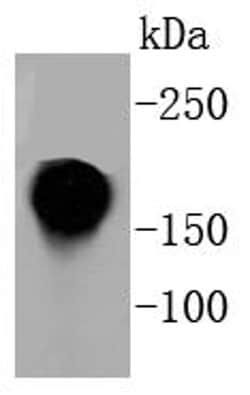
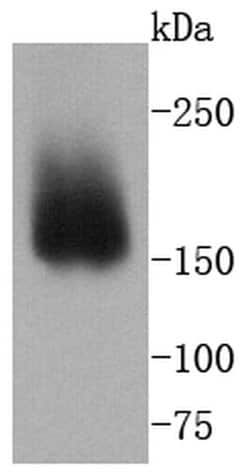
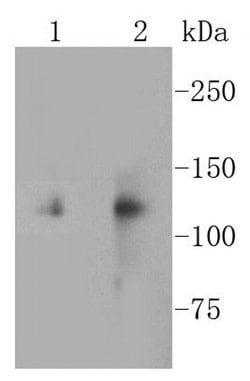
- CD11b (integrin alpha-M, ITGAM, integrin alpha-X, ITGAX) is a 165 kDa adhesion molecule that associates non-covalently with integrin beta-2 (CD18)
- The CD11b/CD18 heterodimeric complex is also known as integrin alpha-M beta-2, Mac-1, and CR3 (complement receptor 3)
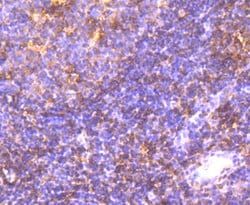
- CD11b is expressed on the surface of monocytes/macrophages, granulocytes, activated lymphocytes, a subset of NK cells, a subset of dendritic cells, and microglia in the brain
- CD11b/CD18 functions as the receptor for ICAM-1 (CD54), ICAM-2 (CD102), ICAM-4 (CD242), CD14, CD50, CD23, heparin, iC3b, fibrinogen, and Factor X -these adhesions are critical for cell-cell and cell-matrix interactions
- CD11b is expressed on 8% of spleen cells, 44% of bone marrow cells, and less than 1% of thymocytes, and is commonly used as a microglial marker in nervous tissue
- The expression of CD11b increases during monocyte maturation and expression levels vary on tissue macrophages
- Further, peritoneal macrophages are reported to express higher levels of CD11b than splenic macrophages
- Diseases associated with CD11b dysfunction include systemic lupus erythematosus 6 and ITGAM-related susceptibility to systemic lupus erythematosus.